
Introduction
Construction and building maintenance projects often require platforms that can withstand demanding outdoor conditions. Painting, facade cleaning, inspection, repairs, waterproofing, and other work-at-height activities can expose equipment to moisture, dust, pollution, and changing weather conditions.
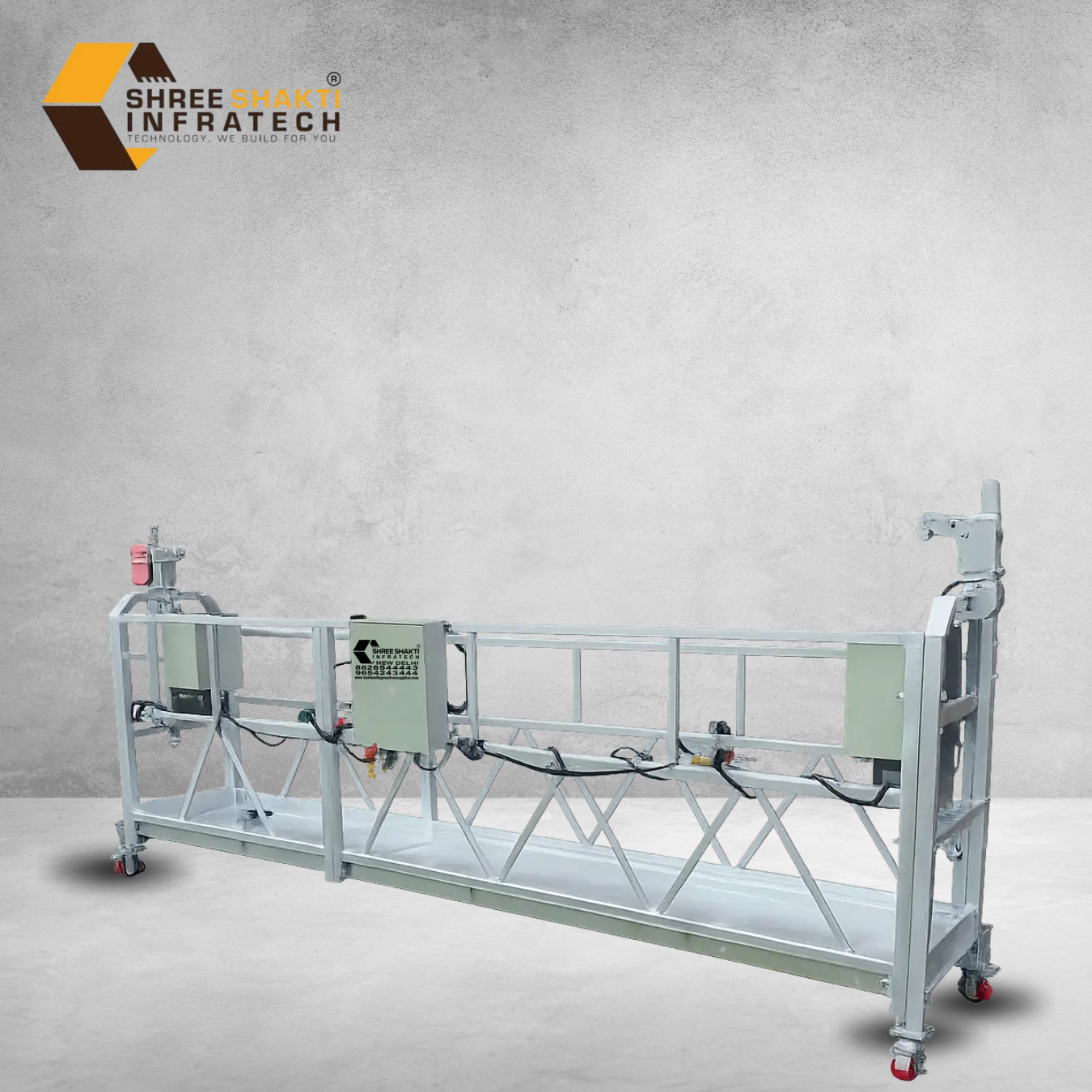
A galvanised construction platform combines the structural properties of steel with a protective zinc coating designed to improve resistance to corrosion.
For contractors and businesses planning long-term equipment use, galvanisation can provide several practical benefits.
Here are the top 10 advantages to consider in 2026.
1. Better Corrosion Resistance
The primary benefit of galvanisation is improved protection against corrosion.
The zinc coating acts as a protective barrier between the steel and the surrounding environment. This can be particularly useful when platforms are regularly exposed to:
- Rain
- Humidity
- Moisture
- Dust
- Outdoor pollutants
For construction equipment used outdoors, corrosion resistance can contribute to longer-lasting components.
2. Suitable for Outdoor Construction Work
Construction platforms are frequently used in exposed environments.
Galvanised surfaces can make platforms suitable for applications such as:
- Building construction
- Exterior painting
- Facade maintenance
- Commercial building repairs
- Industrial maintenance
- Outdoor inspection work
The platform must still be selected according to the specific environmental conditions and manufacturer’s specifications.
3. Reduced Corrosion-Related Maintenance
Unprotected steel can require regular attention when exposed to moisture.
Galvanised steel can reduce the need for frequent corrosion-related surface treatment because the zinc coating provides additional protection.
However, galvanisation does not eliminate maintenance. Platforms still require regular inspection of their:
- Structure
- Wire ropes
- Hoists
- Suspension components
- Guardrails
- Safety systems
4. Longer Service Potential
Properly designed and maintained galvanised equipment can have good resistance to environmental deterioration.
This can be valuable for contractors who use suspended platforms repeatedly across different projects.
Long-term performance depends on factors such as:
- Zinc coating quality
- Environmental exposure
- Mechanical wear
- Equipment usage
- Maintenance
- Structural design
5. Better Protection in Moisture-Prone Environments
Some construction sites experience higher levels of moisture than others.
Galvanised platforms can be particularly useful in environments where equipment may encounter frequent exposure to water or humidity.
Examples include:
- Coastal areas
- High-humidity regions
- Outdoor industrial sites
- Monsoon-prone locations
- Buildings undergoing exterior maintenance
Site conditions should always be considered when selecting the appropriate surface treatment.
6. Lower Long-Term Maintenance Burden
Although galvanised equipment can have a higher initial cost than some painted MS alternatives, the additional corrosion protection can provide long-term value.
Businesses should compare:
- Initial purchase cost
- Surface-treatment requirements
- Recoating needs
- Inspection costs
- Repair requirements
- Expected service life
The overall lifecycle cost may be more important than the initial purchase price.
7. Suitable for Suspended Access Applications
Galvanised construction platforms can be designed for various suspended access applications.
Depending on the configuration, they may be used for:
- Exterior painting
- Window cleaning
- Facade cleaning
- Waterproofing
- Building inspection
- Repairs
- General maintenance
Platform dimensions and load capacity should always correspond to the intended application.
8. Supports Consistent Project Operations
Reliable access equipment can help contractors maintain smoother workflows.
A properly maintained galvanised platform can provide consistent access for work at different building levels.
This can be useful when projects involve repetitive exterior tasks such as painting or facade maintenance.
However, productivity depends on the complete equipment system, including the hoist, suspension arrangement, site setup, and operator practices.
9. Can Provide Better Long-Term Value
A construction platform should not be selected based solely on its purchase price.
Galvanised equipment may provide value through:
- Corrosion protection
- Reduced surface-maintenance requirements
- Outdoor suitability
- Durability
- Longer service potential
Businesses should compare these benefits against the initial investment and expected usage.
10. Suitable for Professional Construction and Maintenance
Professional contractors often require equipment that can withstand repeated use across demanding work environments.
A galvanised construction platform can be considered for:
- High-rise building maintenance
- Commercial construction
- Industrial projects
- Infrastructure work
- Residential building maintenance
- Exterior renovation
The right platform should be selected based on load capacity, working height, suspension system, safety requirements, and project conditions.
Galvanised vs Standard MS Construction Platform
| Feature | Galvanised Platform | Standard MS Platform |
|---|---|---|
| Corrosion resistance | Higher | Depends on protective coating |
| Outdoor suitability | Strong option | Suitable with proper protection |
| Moisture resistance | Better protected | Requires coating maintenance |
| Initial cost | Generally higher | Generally lower |
| Corrosion maintenance | Generally lower | Potentially higher |
| Customization | Manufacturer dependent | Highly flexible |
| Long-term value | Can be strong in exposed environments | Depends on maintenance |
What Should Buyers Check?
Before purchasing a galvanised construction platform, businesses should verify:
- Steel quality
- Galvanising process
- Zinc coating specifications
- Platform dimensions
- Rated working load
- Working height
- Suspension arrangement
- Wire-rope specifications
- Hoist system
- Guardrails
- Safety devices
- Maintenance requirements
- Spare-parts availability
The equipment should be installed, inspected, maintained, and operated according to manufacturer instructions and applicable work-at-height requirements.
Is Galvanisation Always Necessary?
Not necessarily.
The best surface treatment depends on the operating environment.
A standard MS platform with suitable protective coating may be adequate for some controlled applications.
Galvanisation may provide greater value when:
- Outdoor exposure is frequent
- Moisture levels are high
- Corrosion resistance is important
- Long-term use is expected
- Reducing corrosion-related maintenance is a priority
Contractors should discuss environmental conditions with the manufacturer before selecting the platform.
Choosing the Right Suspended Platform Manufacturer
The surface treatment is only one part of platform quality.
Buyers should also evaluate:
- Manufacturing experience
- Structural design
- Material quality
- Welding quality
- Load capacity
- Suspension components
- Hoist quality
- Safety features
- Testing and inspection
- Customization
- Spare-parts support
- After-sales service
Shree Shakti Infratech can be evaluated based on its galvanised construction platform specifications, manufacturing capabilities, safety provisions, customization options, and suitability for individual projects.
Conclusion
Galvanised construction platforms can offer important advantages for outdoor and work-at-height applications.
Their key benefits include improved corrosion resistance, better outdoor performance, reduced corrosion-related maintenance, durability, and potential long-term value.
However, galvanisation should not be the only purchasing criterion. Businesses should also consider load capacity, structural design, suspension systems, safety features, maintenance, and manufacturer support.
For contractors and businesses sourcing construction access equipment in 2026, selecting a suitable Suspended Platform Manufacturer such as Shree Shakti Infratech should be based on verified technical specifications and the specific requirements of the project.